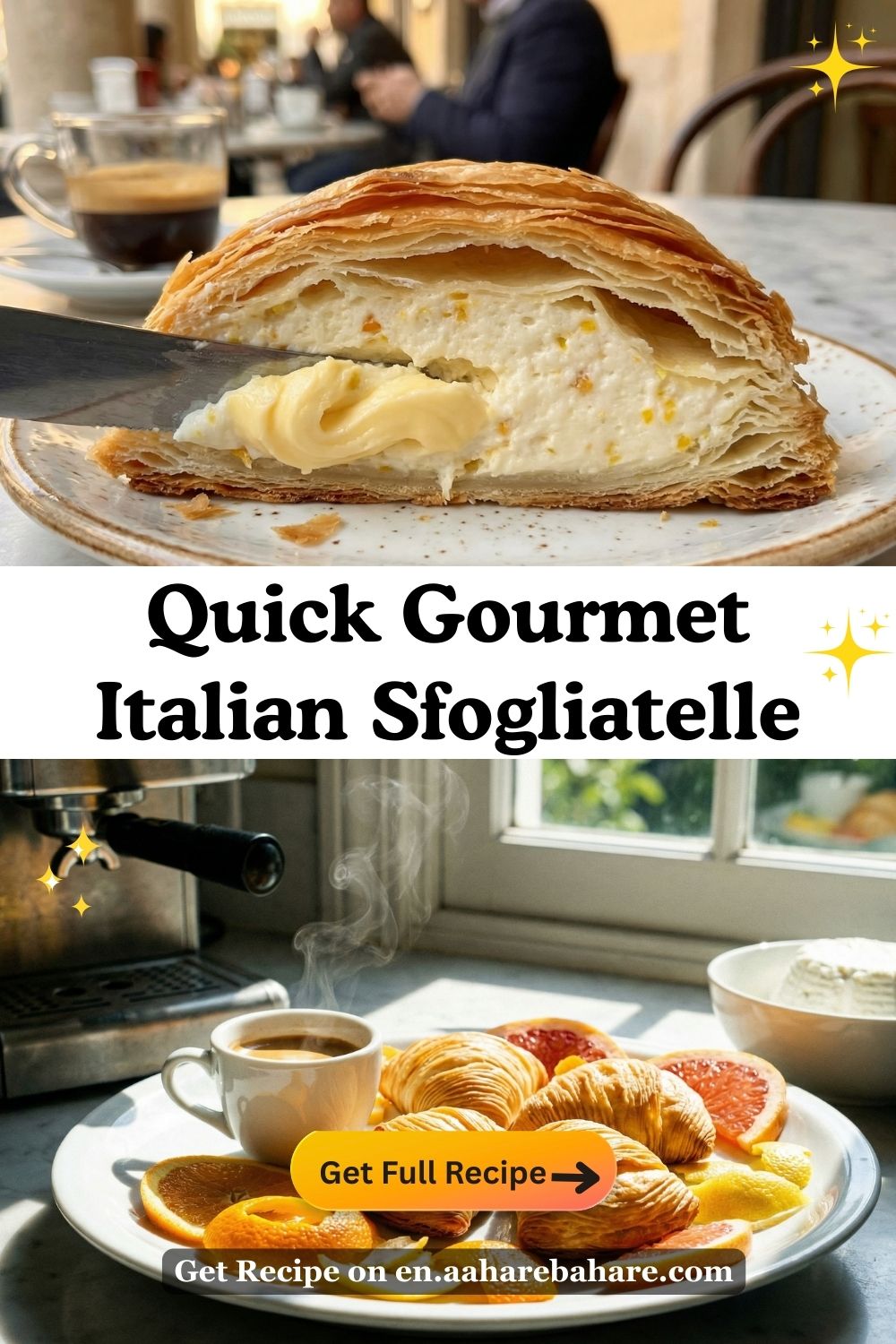
Quick Gourmet Italian Sfogliatelle That Delivers Classic Italian Flavor
If you’ve been craving a bakery-fresh bite of classic Italian flavor but don’t want to trek to Naples, you’re in the right kitchen. Sfogliatelle are flaky, fragrant dreams—layers of pastry that shiver at the bite and reveal a sweet ricotta filling with citrus, hints of almond, and a whisper of vanilla. I’m with you: the pursuit of that perfect balance between crunch and cream is a delicious quest. In this guide, I’ll walk you through quick, reliable methods to make sfogliatelle at home that taste like they came from a historic pastry shop, not a home-baker’s experiment gone rogue.
What makes sfogliatelle special?
- They’re all about texture: blistered, crisp layers with a chewy interior.
- The filling should be creamy but not runny, perfumed with citrus zest and a touch of ricotta.
- The shell should hold up to the filling without getting soggy, so timing and temperature matter.
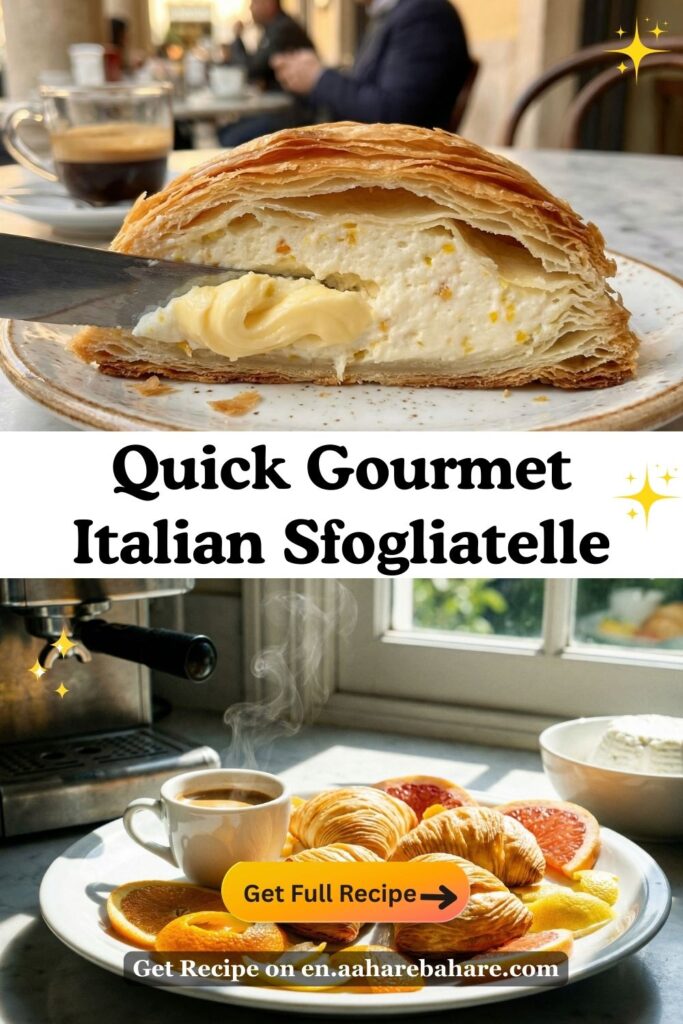
Ingredient list for 4 people
Dough and pastry layers
- 2 cups all-purpose flour (plus extra for dusting)
- 1/2 cup warm water
- 1 tablespoon olive oil
- 1/4 teaspoon salt
- 1/4 cup unsalted butter, melted and cooled
- Optional: 1 tablespoon sugar for a touch of sweetness
Ricotta filling
- 1 cup ricotta cheese, well drained
- 1/2 cup powdered sugar
- 1 teaspoon orange zest
- 1 teaspoon lemon zest
- 1/2 teaspoon vanilla extract
- 1/4 teaspoon almond extract
- 2 tablespoons finely chopped candied orange or citron (optional)
- A pinch of cinnamon (optional)
Glaze and finishing (optional but nice)
- 1/2 cup powdered sugar
- 1–2 tablespoons milk or orange juice
- A few drops of vanilla or lemon juice
Tools you’ll want
- Rolling pin or pasta machine (for thin sheets)
- A clean work surface lightly dusted with flour
- A pastry brush
- A sharp knife or small cutters
- A baking sheet lined with parchment
- A shallow pan for steam if you want extra flakiness (optional)
Step-by-step overview (fast path) Sfogliatelle Recipe
- Make a soft dough: Combine flour, warm water, olive oil, and salt. Knead until smooth, then rest 20–30 minutes.
- Roll and layer: Roll out very thin, brush with melted butter, and fold to form multiple thin sheets. Chill briefly to set the layers.
- Prepare filling: Mix ricotta, sugar, zests, vanilla, and almond extract until creamy. Stir in candied zest if using.
- Shape and fill: Cut circles or ovals, fill lightly, and seal by folding the edges around the filling to create the recognizable rosetta shape.
- Bake until golden: A hot oven is your ally—aim for 400°F (200°C) and watch closely so they blister but don’t burn.
- Glaze if desired: Drizzle a light glaze for a glossy finish and extra sweetness.
How to get that classic crust in a busy kitchen
- Work cold: Keep the butter chilled until you’re ready to layer it into the dough. Cold butter creates steam as it bakes, which helps form the signature flakiness.
- Roll thin, not thick: The more you roll, the more layers you’ll create. If you can’t roll perfectly, don’t sweat it—the imperfectly perfect sfogliatelle still taste incredible.
- Rest is your friend: A short chill between folds helps the gluten relax, which means crisper crust and less shrinkage in the oven.
Flavor boosters you can actually taste
- Citrus zest is non-negotiable: It lifts the filling with brightness that cuts through the richness.
- Vanilla and almond notes: A small amount goes a long way in echoing traditional Italian pastry profiles.
- Candied citrus: If you’ve got it, fold in a few pieces for bursts of sweetness and color.
Pro tips for success Sfogliatelle
- Drain ricotta thoroughly: Excess moisture will ruin the texture and make the shells soggy. Press it in a sieve or cheesecloth for 30 minutes.
- Don’t overfill: A little filling goes a long way. Overstuffed sfogliatelle puff unevenly and can burst.
- Bake on a preheated sheet: A hot surface helps start the quick bake that crisps the crust.
Variations to suit your pantry
- Nutty twist: Add a tablespoon of toasted almond flour to the filling for extra depth.
- Limoncello hint: A tiny splash of Limoncello in the filling can brighten the flavors (FYI, skip if you’re serving kids).
- Dairy-free option: Use a firm tofu ricotta substitute and coconut oil for the butter, but be prepared for a slightly different texture.
Comparison: traditional vs quick home versions
- Traditional: Ultra-thin layers, longer resting times, and a labor-intensive rolling process. The result is an authentic, very flaky crust and a depth of flavor that’s hard to beat.
- Quick home version: Still gloriously flaky but more forgiving—ideal for weeknights or a “treat-yourself” weekend. You’ll get close enough to the classic to satisfy that authentic craving without spending all day at the stove.
Why sfogliatelle matter in Italian pastry culture
Sfogliatelle embody the Italian love of texture, layering, and bright flavors. The name translates roughly to “thin leaf” or “foliated,” which describes the pastry’s delicate, layered construction. They’re a celebration of technique meeting flavor: the more you practice the folds and the hotter your oven, the closer you get to that temple-like puff of pastry with a creamy center.
FAQ About Sfogliatelle Recipe
- What makes sfogliatelle so flaky?
- The thin, layered dough created by repeated rolling and butter layering, plus a hot oven that puffs and crisps the sheets.
- Can I freeze sfogliatelle?
- Yes. Bake them partially or fully, then freeze. Rewarm in a 350°F (175°C) oven until crisp.
- Why is ricotta used in the filling?
- Ricotta creates a creamy, mild contrast to the crisp pastry and scales well with citrus zest and sugar.
- Do I need to use candied citrus?
- It’s optional but highly recommended for authentic sweetness and texture contrasts.
- Can I bake these without citrus zest?
- You’ll lose a lot of brightness—use a different zest (orange or lemon) if you have to skip one.
Serving suggestions
- Dust with a light snowfall of powdered sugar for a classic finish.
- Pair with a strong espresso or a small cup of cappuccino to echo Italian coffee culture.
- Serve warm so the filling stays luxuriously creamy and the crust remains at peak crispness.
Ingredient and instruction recap for 4 servings
Dough and pastry layers
- 2 cups all-purpose flour
- 1/2 cup warm water
- 1 tablespoon olive oil
- 1/4 teaspoon salt
- 1/4 cup unsalted butter, melted and cooled
Ricotta filling
- 1 cup ricotta, well drained
- 1/2 cup powdered sugar
- 1 teaspoon orange zest
- 1 teaspoon lemon zest
- 1/2 teaspoon vanilla extract
- 1/4 teaspoon almond extract
- 2 tablespoons chopped candied orange (optional)
Glaze (optional)
- 1/2 cup powdered sugar
- 1–2 tablespoons milk or orange juice
How I’d describe the flavor in one line
Think of a pastry cloud that cracks open to reveal a bright, creamy inside—like summer in a bite, wrapped in a toasty, nutty armor.
Final thoughts to keep in mind
Sfogliatelle aren’t just pastries; they’re a small celebration of Italian technique and flavor. You can absolutely nail a version at home with a few mindful steps, a little patience, and a willingness to aim for crispy, flaky layers over perfect symmetry. If you’re craving the Naples street-food magic, this quick-at-home method brings that magic to your kitchen.
Call to action
Want to level up? Try swapping in different citrus zests or adding a touch of anise for a new twist. Share your best photo and verdict in the comments—we’ll compare notes and maybe swap secret tips. If you’d like, I can tailor this recipe for gluten-free or dairy-free needs, or spin up a long-form guide focused on authentic Neapolitan techniques. What tweak should we try first?
Would you like this article adapted for a specific audience (home bakers vs professional pastry enthusiasts) or reformatted into a printer-friendly version?
If you want, I can generate these prompts in a few different styles (photorealistic, watercolor-inspired, or food-p stylistic) and tailor them to your preferred image resolution and aspect ratios.