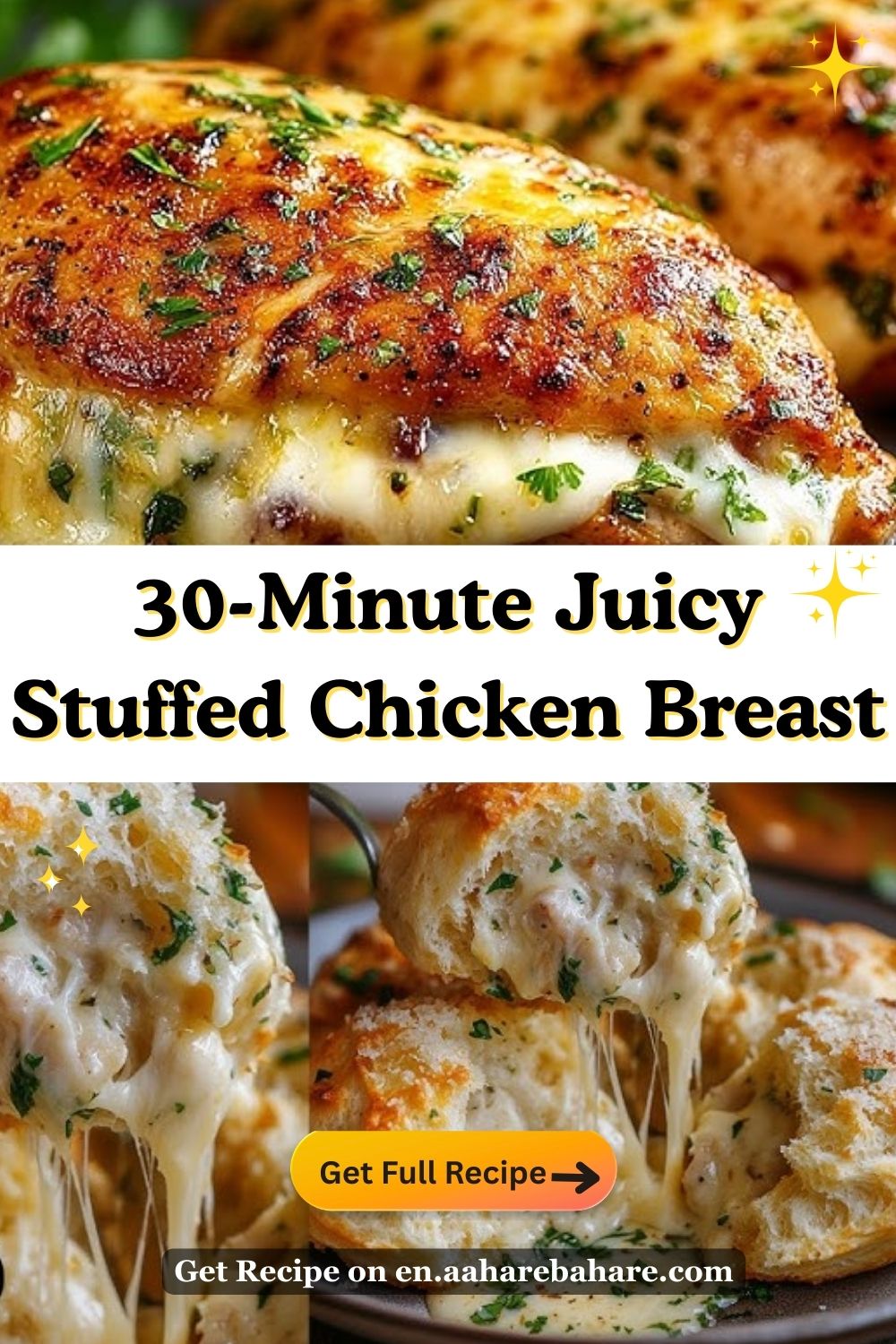
30-Minute Juicy Stuffed Chicken Breast Recipe for a Flavor-Packed Dinner
Gluten-Free Stuffed Chicken Breast: A Friendly Guide to Tiny Flavor Wins. So you’re craving something cozy, protein-packed, and gluten-free, all in one delicious package. Welcome to the world of gluten-free stuffed chicken breast, where a simple chicken breast becomes a confident little marvel of flavor. I’ve been there—staring at a pantry full of ingredients and wondering how on earth to make something exciting without gluten turning up as an unwelcome guest. The good news: this dish can be adventurous, easy, and totally doable in a weeknight hurry. Let’s dive in and make something you’ll actually look forward to cooking.
What makes gluten-free stuffed chicken breast special
Gluten-free stuffed chicken breast is all about balance. You want a juicy, properly seasoned chicken exterior with a flavorful filling that stays put inside the pocket. When you combine a well-seasoned chicken breast with a gluten-free stuffing—think cheese, herbs, veggies, and perhaps a gluten-free crumb or nut base—you get a dish that’s comforting, versatile, and impressively adaptable. FYI, this is a great way to use up odds and ends from the fridge without feeling like you’re playing a game of pantry Tetris.

Ingredients you’ll want (easy, accessible, and gluten-free)
- Chicken breasts, boneless and skinless: 2 large
- Olive oil: 2 tablespoons
- Salt and pepper: to taste
- Filling options (pick one or mix and match):
- Spinach and feta filling: 1 cup chopped spinach, 1/2 cup crumbled feta, 1/4 cup cream cheese
- Sundried tomato and mozzarella: 1/4 cup chopped sundried tomatoes, 1/2 cup shredded mozzarella, 2 tablespoons cream cheese
- Mushrooms, garlic, and Swiss: 1 cup sautéed mushrooms, 1 minced garlic clove, 1/2 cup shredded Swiss cheese
- Goat cheese and herbs: 1/2 cup goat cheese, 2 tablespoons chopped fresh herbs (parsley, thyme, chives)
- Gluten-free binding options (choose at least one):
- Gluten-free breadcrumbs or crushed gluten-free crackers: 1/4 cup
- Cooked quinoa or cauliflower rice: 1/4 cup
- Grated parmesan or pecorino: 2 tablespoons
- Optional toppings and add-ins:
- Thinly sliced pepper: for a pop of color
- Fresh herbs for finishing: basil, parsley
- Lemon zest or a squeeze of lemon juice for brightness
- Sauce ideas (gluten-free):
- Lemon butter sauce: butter, lemon juice, a splash of stock
- Creamy garlic sauce: cream, garlic, a touch of chicken stock
- Herb olive oil drizzle: olive oil, chopped herbs, pinch of salt
Equipment you’ll need for Chicken Breast
- Sharp knife (to create a clean pocket in the chicken)
- Meat mallet or rolling pin (optional, for even thickness)
- Skillet or oven-safe pan
- Oven (or air fryer, if you’re into a quicker route)
- Toothpicks or kitchen string (to seal the pocket)
Step-by-step: how to butterfly and fill the Chicken Breast
- Prep your chicken. Pat the breasts dry with paper towels. This helps the seasoning stick and the chicken roast evenly. If the breasts are uneven in thickness, gently pound them to an even 1/2 to 3/4 inch. This ensures uniform cooking and helps the filling stay inside.
- Make a pocket. Use a sharp knife to slice horizontally into the side of each breast to create a pocket, being careful not to cut all the way through. You want a roomy cavity but not a gaping hole.
- Season. Rub the outside with olive oil, salt, and pepper. This creates a flavorful crust and helps lock in moisture.
- Stuff. Spoon your chosen filling into the pocket. If you’re using multiple components, layer them so the center has a nice balance of flavors. Use a couple of toothpicks to seal the opening if needed.
- Secure. If you’re worried about the filling leaking, tuck a few toothpicks or a thin strip of kitchen twine across the opening to keep things in place during cooking.
- Sear and bake. Heat a skillet with a bit of oil over medium-high heat. Sear the stuffed breasts for 2–3 minutes per side until they’re nicely browned. Then transfer to the oven (375–400°F/190–200°C) and bake for 18–25 minutes, depending on thickness. Use a meat thermometer to ensure the internal temperature hits 165°F (74°C).
- Rest and slice. Let them rest for 5–10 minutes before slicing. Resting helps retain juices, and you’ll get cleaner slices when you cut.
Flavor-boosting tips that actually work
- Don’t overfill. Too much filling can spill out and burn in the pan. A snug pocket keeps every bite balanced.
- Layer the flavors. If using cheese, choose a complementary pairing to the filling (feta with spinach works beautifully; mozzarella with sundried tomatoes adds melty brightness).
- Add brightness at the finish. A quick squeeze of lemon or a bright herb oil over the top right before serving adds a pop without complicating the dish.
- Gluten-free binder magic. If your stuffing seems a touch dry, whisk in a tablespoon of cream cheese or a splash of chicken stock. You want moisture without turning the filling into a soup.
Texture and garnish ideas on Chicken Breast
- Textural contrast. Pair a soft, creamy filling with a lightly crisped exterior from a quick sear. The contrast makes every bite interesting.
- Green dust. Finely chopped parsley, a little lemon zest, and a light drizzle of olive oil make the plate feel fresh and vibrant.
- cheesy finish. A final sprinkle of grated parmesan or an extra dusting of feta can elevate the dish in a delightful way.
Texture and moisture: common pitfalls and quick fixes
- Pitfall: dry chicken. Fix: don’t overcook; use a thermometer and aim for 165°F. Also, consider a brine for extra juiciness if you’re cooking in bulk.
- Pitfall: filling falling out. Fix: secure with toothpicks and don’t overfill. A compact filling holds better.
- Pitfall: bland seasoning. Fix: season inside and outside, and consider a quick spice rub with garlic powder, paprika, and a pinch of dried oregano.
Make it your own: customization ideas
- Regional flavors. Try a southwestern twist with black beans (gluten-free), corn, and pepper jack cheese. Or a Mediterranean vibe with olives, sun-dried tomatoes, and feta.
- Veggie-forward. Add sautéed spinach, roasted red peppers, and a little ricotta for a creamy interior.
- Protein swaps. Use thinner chicken breasts or butterfly smaller pieces to create bite-sized stuffed bites for party trays.
A quick weeknight version
- Use pre-cooked gluten-free stuffing ingredients (like a ready-made gluten-free stuffing mix) folded with your cheese and herbs.
- Sear, then finish in the oven for about 15–20 minutes. This reduces overall cooking time while still delivering juicy, flavorful results.
Pairing ideas that actually taste great
- Veg-forward sides. Roasted broccoli, asparagus, or a simple quinoa pilaf (gluten-free) provide a balanced plate.
- Light sauces. A lemon-butter pan sauce or a garlic herb cream sauce complements the richness of the stuffed chicken without overpowering it.
- Crisp vegetables. A quick arugula or mixed greens salad with a zippy vinaigrette cuts through the richness and keeps the meal bright.
Pro tips for makes-it-easier
- Batch prep. Mix the filling in advance and refrigerate. This reduces mid-cook prep during busy evenings.
- Freezer-friendly option. Assemble stuffed chicken breasts, freeze on a tray, then wrap individually. Bake from frozen for about 40–45 minutes (adjust time as needed for thickness).
- One-pan flexibility. If you prefer fewer pans, briefly sear the filling-stuffed chicken in a skillet, then cover and bake in the same pan with a lid to reduce cleanup.
Personal experiences that help this dish land
- I’ve found that the spinach-feta version hits a fresh, savory note that pairs well with a light salad. The feta adds a saltiness that also helps the dish stand up to a bold sauce. IMO, a lemon-garlic butter sauce brightens the flavors without stealing the show.
- Another favorite is the mushroom-Swiss combo. The earthy mushrooms bring a comforting, almost rustic vibe that feels like a hug on a plate. It’s not fancy, but it’s reliably delicious, which is a win on busy weeknights.
- For fans of a little heat, a pepper jack twist with a touch of roasted red pepper gives you gentle warmth and a visually appealing pop.
FAQ for Chicken Breast
Q: Is gluten-free stuffing necessary?
A: No, but if you’re avoiding gluten, use gluten-free breadcrumbs or a naturally gluten-free filler like quinoa or cauliflower rice to keep texture interesting.
Q: Can I use cheesy fillings with dairy-free diets?
A: Yes, substitute dairy-free cheese and soft cheeses like dairy-free cream cheese. Check labels to ensure they’re gluten-free.
Q: How do I prevent the chicken from drying out?
A: Don’t overcook, pat dry before seasoning, and consider a quick brine or marinade for a juicier result.
Q: What if I don’t have a pan that goes from stove to oven?
A: Use a simple oven-safe baking dish and sear the chicken in a separate pan, then transfer to the dish to finish in the oven.
Q: How long should I rest the chicken after cooking?
A: About 5–10 minutes. Resting helps distribute juices for a moister bite.