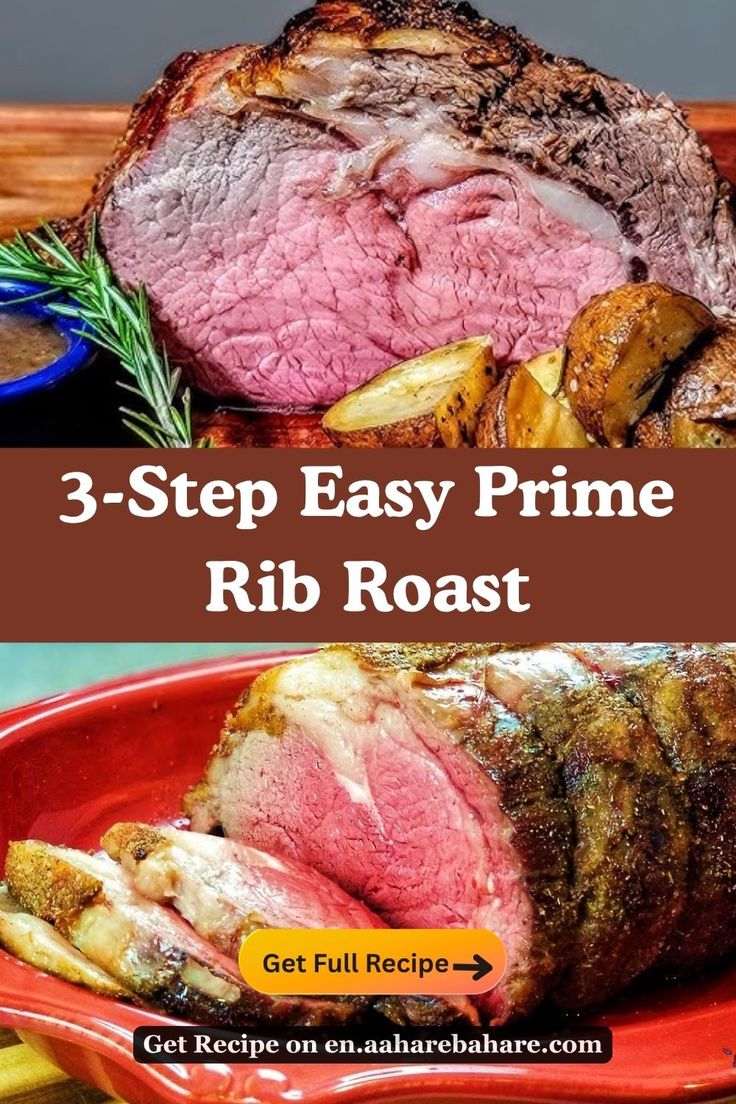
3-Step Easy Prime Rib Roast for Flavorful, Crowd-Pleasing Results
Get ready to up your dinner game, because today, it’s all about the mighty rib roast. If you’ve ever gazed at a glorious roast bathing in oven light and thought, “How hard can that really be?”—this one’s for you. Spoiler: It’s not rocket science. Let’s get right into the good stuff, share some laughs, and guarantee dinner success!
Why Rib Roast Totally Rules
You know, there are roasts, and then there’s rib roast—aka “prime rib” if you’re feelin’ fancy or just want to show off at the grocery store 🙂 There’s a reason this big beauty appears at celebratory tables everywhere. You get flavor, juiciness, and yes—mad bragging rights if you pull it off.
What makes it king? Simple:
- Amazing marbling equals juicy, rich meat every time.
- Big, dramatic presentation—your guests will talk about it for weeks.
- Leftovers. Enough said. Can you say steak sandwiches?
Ever wondered why restaurants charge an arm and a leg for prime rib? IMO, it’s because they want you to think it’s hard to make. But FYI: It’s actually super doable at home if you know a handful of tricks.
The Essentials: Ingredients for Four
You want dinner for four that says “wow” but also lets you kick back with a drink while it cooks? Here’s what you need:
- 4–5 pound bone-in rib roast (2 ribs is plenty for 4 hungry people; don’t let anyone tell you otherwise).
- 1 ½ sticks (about 170g) salted butter, room temperature.
- 2–3 tablespoons extra virgin olive oil.
- 3–4 cloves garlic, minced.
- 1 tablespoon fresh rosemary, finely chopped.
- 1 tablespoon fresh thyme, finely chopped.
- Zest of half a lemon (trust me on this—it’s a flavor booster).
- 1 ½ teaspoons ground coriander (optional, brings some warmth).
- ¾ teaspoon freshly cracked black pepper.
- 1 tablespoon kosher salt (or more, to taste).
- Optional: ½ teaspoon dried sage, or a pinch of cayenne for the bold.
Prep Like a Pro (It’s Easy)
Here’s the game plan—you want that roast seasoned and ready to shine, so let’s get to the fun part:
Step 1: Room Temp, Always
Pull the rib roast from the fridge at least an hour before you do anything. Ever seen what happens if you throw a cold chunk of meat in a hot oven? Disaster. Same goes for taking a power nap in the sun after a long winter. Let it wake up first.
Step 2: Butter Bath & Herbal Bling
Mix together the butter, olive oil, garlic, rosemary, thyme, lemon zest, coriander, pepper, and salt. Use your hands—don’t be shy. Get every inch coated in that buttery, herby goodness (your kitchen will smell ridiculous—and you’ll know you’re doing it right).
Ever wondered if you really need all the herbs? IMO, yes, but if you don’t have one, skip it. Keep the salt, garlic, and either rosemary or thyme—those are the backbone.
Step 3: Time for a Nap (the Roast, Not You)
If you’re on top of your game, let the prepped roast chill uncovered in the fridge for up to 24 hours. This dries out the surface, giving you that dream crust. No time? No biggie, just rest it as long as you can.
Step 4: Preheat and Prep
Crank your oven up to 450°F (230°C). Place the roast in a shallow pan, fat side up (gravity knows what it’s doing). Got a rack? Use it. No rack? Some crumpled foil or carrots will do.
Into the Oven – Trust the Thermometer, not the Timer
- Roast at 450°F for 20 minutes. This sets the crust—don’t skip this part.
- Lower the temp to 325°F (165°C) and keep roasting. Now, about 15–18 minutes per pound gets you on the right track, but the real MVP here is a meat thermometer.
- For medium-rare (classic and, let’s be real, best): Pull the roast when the thickest part registers 125–128°F (52–53°C); after resting, it’ll be a perfect 130–135°F (55–57°C).
- Rest, rest, rest! Tent loosely with foil, and let it sit for 20–30 minutes.
Don’t want to overthink it? Good. Neither do I. Get that thermometer and skip the guesswork.
Rib Roast Secrets – Tips from the Trenches
- Open the oven door as little as possible—ever tried to bake a cake with someone peeking? Yeah, same drama.
- Want flavor bombs in your pan juices? Toss a few garlic cloves and sprigs of herbs under the roast.
- For extra credit, mix a horseradish sauce as a sidekick. It’s classic and, IMO, makes any bite even bolder.
Don’t Freak Out—Common Rib Roast Issues
What if It’s Cooking Too Fast?
Drop the oven temp to 300°F and check every 10 minutes. Every roast is a unique snowflake (just like your in-laws). Adjust as you go.
The Crust Looks Burnt!
Relax. It almost never is. That deep color means maximum flavor. Just scrape off any actual burnt bits with a butter knife.
My Guests Love Well-done (Eye Twitch)
Serve the well-done eaters an end cut—they can dive in, and you keep your glorious, pink-centered slices.
Rib Roast Sides—Because the Main Star Loves Company
What goes best with rib roast? Anything carb-y or herby. Try:
- Garlic mashed potatoes.
- Roasted root veggies (use that same oven!).
- A fresh, zippy salad with lemony vinaigrette.
- Classic Yorkshire pudding if you want to get a little British.
Serving Like a Pro
Use a sharp, heavy knife—none of that butter-knife nonsense, please. Slice between each rib for cartoonishly big servings or go thinner for Instagram bragging shots.
Presentation tip: Always slice against the grain for maximum tenderness. Want to go full steakhouse? Stand the sliced roast up on a big wooden board and garnish with parsley sprigs and extra herbs.
Leftovers? Oh Yes.
Ever had a rib roast sandwich with horseradish and arugula? Do it. You’ll thank me next week. Or slice leftovers for quick steak salads, stir-fries, or—yep—just on their own with a dab of sauce when nobody’s watching. Don’t worry, I won’t judge.
FAQ
Q: Do I really need a bone-in rib roast?
A: Nope, but you should get one if you can. The bone helps with flavor and presentation. Boneless works—just watch your cooking time.
Q: Why does my rib roast always come out dry?
A: Overcooking (the eternal enemy) and not letting it rest. Use a thermometer, and always rest before slicing.
Q: Can I prep the roast ahead?
A: Absolutely. Slather on your butter rub the night before and even let it sit uncovered in the fridge for maximum crust.
Q: What wine should I serve?
A: Cabernet Sauvignon or Syrah if you’re feeling fancy. Or any red that makes you happy.
Q: What’s the one thing you should never skip?
A: Resting the meat. Trust me on this.
Final Thoughts
Rib roast always brings out the “wow.” Even if you’re a kitchen newbie, you can create restaurant-quality results. Sure, your guests might think you’re a culinary wizard (let them 😉). Have fun with it, play with the flavors, and remember—the only thing serious about rib roast is how good it tastes with friends and family at the table.
So—ready to make dinner legendary? Don’t wait for a holiday. Try that rib roast and give yourself a high five.

Impressed by the level of detail.! Could use a bit more detail, but overall solid..