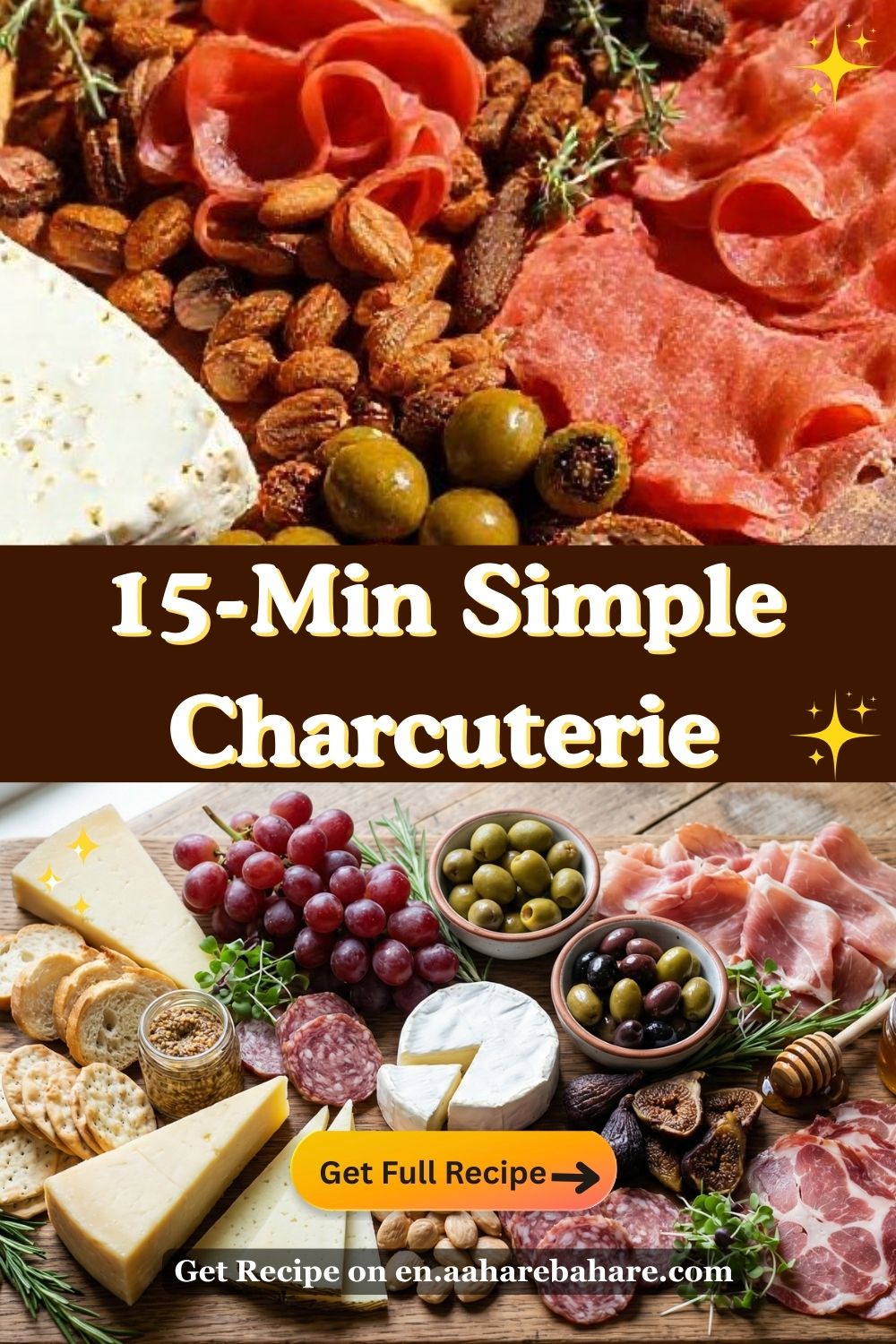
15-Min Simple Charcuterie Spread for Beautiful, Stress-Free Hosting
Charcuterie isn’t just about meat and cheese; it’s a social ritual that starts the moment you lay out the board. You want something striking, but not intimidating; casual, but thoughtfully composed. In this article, you’ll get practical guidance, personal insights, and a simple plan you can actually replicate. Ready to impress without stress? Let’s dive in.
What is charcuterie?
Charcuterie is the art and science of curing and presenting prepared meats, cheeses, accompaniments, and aesthetics on a single board. It’s about balance—salty with sweet, crunchy with creamy, bold with mild. The beauty lies in variety and flow: a few standout items paired with several dependable crowd-pleasers.
Key components to assemble of Charcuterie
- Meats: a jamón-style ham, a salami or chorizo, and a cured sausage. You don’t need all the bells and whistles; three solid options keep things interesting.
- Cheeses: pick 2–3 cheeses with different textures and strengths—soft, hard, and something tangy or blue for contrast.
- Bread and crackers: provide a mix of rustic bread slices, a crusty baguette, and neutral crackers.
- Accents: olives, pickles, nuts, fruit (grapes or apple slices), jam or honey, and a spread (mustard or pesto).
- Fresh herbs or microgreens: a light garnish to elevate the board’s look.
- Utensils: a couple of cheese knives, tongs, and small bowls for olives and spreads.
Audience-friendly flavor pairings
- Salty meets sweet: Prosciutto with fig jam, or salami with honey-roasted almonds.
- Creamy with bright: Brie or camembert with a tart apple slice.
- Umami with acidity: Manchego with quince paste or pickled cherries.
- Spicy kick: Chorizo paired with smoky paprika honey.
Seasonal touches and presentation tips on Charcuterie
- Use a wooden board or a slate to create a rustic vibe. If you have a few smaller boards, you can segment sections for variety.
- Line the board with a sheet of parchment or a light cheese paper to keep cleanup manageable.
- Alternate colors and shapes: round cheeses, square crackers, triangular bread slices, and bright fruit.
- Add height with a small jar or candle holder to create dimension.
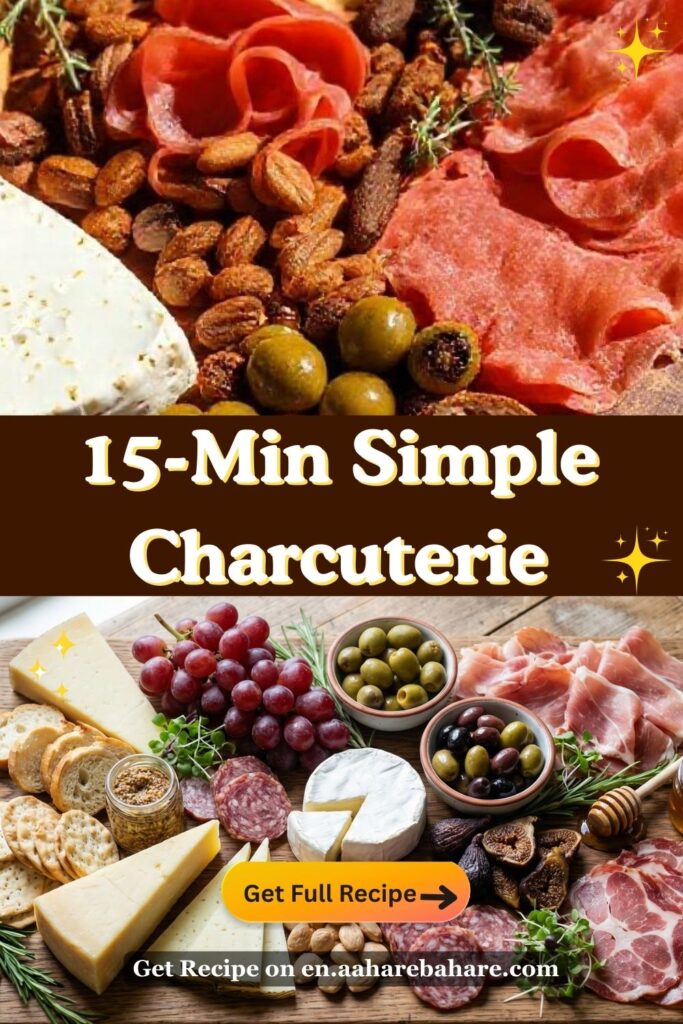
Charcuterie Ingredients and cooking timing for 4 people
To keep this approachable, I’ve mapped out a balanced, no-fuss 4-person board that you can assemble in about 25 minutes, with a 10-minute window for any prep or quick second picks if you spot a great deal at the store.
- Meats (choose 3 options, 100–120 g total per person):
- 100 g prosciutto or jamón per person (thinly sliced)
- 70 g spicy salami per person
- 60 g chorizo or a robust pepperoni per person
- Cheeses (3 options, total about 600–700 g):
- 150 g brie or camembert (soft)
- 150 g aged manchego or grana padano (hard)
- 150 g blue cheese or a tangy goat cheese (for contrast)
- Breads and crackers:
- 1 small baguette, sliced (about 12–16 slices)
- 1 cup mixed crackers (salted and neutral)
- Accompaniments (roughly 250–350 g total):
- 1 small bowl olives (green or mixed)
- 1 small bowl cornichons or pickled onions
- 1 jar fig jam or honey
- 1 small bowl mustard or herb pesto
- 1 small handful almonds or marcona almonds
- Fresh fruit: a handful of grapes or apple slices
- Optional garnish:
- Fresh herbs (rosemary or thyme)
- Microgreens for color
Step-by-step assembly plan (about 25 minutes) on Charcuterie
- Prep the board base (5 minutes)
- Wipe your board clean and lay down parchment if you like.
- Arrange cheeses on the board with space around for slicing.
- Place bowls for olives, pickles, and jams in separate corners.
- Slice and arrange meats (5 minutes)
- Fan or roll the prosciutto and place in a curved line for visual appeal.
- Slice the salami and chorizo into bite-sized rounds or wedges and distribute near the cheeses for quick pairing.
- Add bread and crackers (5 minutes)
- Fan baguette slices near the cheeses for easy reach.
- Tuck crackers along the edges to fill gaps and add texture.
- Add accents (5 minutes)
- Scatter grapes or apple slices around the board.
- Spoon a small amount of fig jam or honey into a tiny dish and place it next to the brie or camembert.
- Fill the remaining gaps with almonds and a few herbs for color.
- Final tweaks (5 minutes)
- Step back and see if any area feels crowded; give each item a little more space.
- If you want, drizzle a touch of honey over the manchego or add a tiny dollop of mustard on a cracker for a zing.
How to customize for dietary needs of Charcuterie
- Vegetarian or pescatarian: omit meat options and boost cheeses, olives, pickles, fruit, and nuts. Add smoked salmon or trout for a protein alternative if desired.
- Gluten-free: replace bread and many crackers with gluten-free crackers or sliced cucumbers for a fresh bite.
- Spicy lovers: add a small dish of harissa or chili oil for dipping or a pepperoni with extra kick.
Flavor and texture balance: a quick mental map of Charcuterie
- Creamy, mild cheeses (like brie) balance saltier, richer meats.
- Hard cheeses (manchego, grana) provide a sturdy bite that contrasts the softness of the brie.
- Crunch from crackers and almonds keeps the palate energized between bites.
- Vines of sweetness from fruit and jam cut through salt and fat, refreshing the mouth.
Optional pairings to elevate the experience
- Beverage pairing: a crisp white like Sauvignon Blanc or a light red such as Pinot Noir pairs nicely with charcuterie. Sparkling wines also work well to cleanse the palate between bites.
- Non-alcoholic option: a sparkling water with a splash of citrus or a light elderflower cordial can be a refreshing mate.
Key takeaways to remember
- Variety over volume: three meats and three cheeses with thoughtful accompaniments create a balanced board.
- Visual appeal matters: color, texture, and arrangement invite guests to explore.
- Prep smart: a 25-minute setup can deliver a stunning result with minimal mess.
FAQ about Charcuterie
- What should I do if I don’t have a board large enough for all items?
- Split into two boards or use a large platter with small bowls to contain wet items.
- How do I prevent cheese from hardening on the board?
- Remove the cheese from the fridge about 15–20 minutes before serving so it’s closer to room temperature.
- Can I prepare parts of this in advance?
- Yes. You can slice meats, arrange cheeses, and portion out olives and jams a few hours ahead. Keep them covered and refrigerated, then assemble 15–20 minutes before serving.
- What if someone has a dairy allergy?
- Replace dairy with a robust mix of marinated vegetables, olives, nuts, cured meats (if acceptable), and a dairy-free cheese option like almond-based or coconut-based cheeses.
- How can I make the board look more impressive with limited tools?
- Use contrasting boards or slate pieces to create zones. Add height with a small jar, a ramekin, or a candle holder as a centerpiece to draw the eye.
What I’d do differently next time
If you’re planning a gathering, this charcuterie setup is your fast lane to a memorable spread without the stress. It’s all about balance, simplicity, and a dash of personality. The board should feel like a conversation—friendly, approachable, and just a little indulgent.
Call to action about Charcuterie
Start with three cheeses you love, three meat options you’re comfortable serving, and a couple of bright accompaniments. Set everything out, step back, and enjoy the moment with your crew. If you want, tell me what meats and cheeses you enjoy, and I’ll tailor a 4-person board layout with exact portions and a quick assembly timeline.